Commemorative Event for “25 September: Hazara Genocide Victims’ Memorial Day and 1 October: World Hazara Solidarity Day
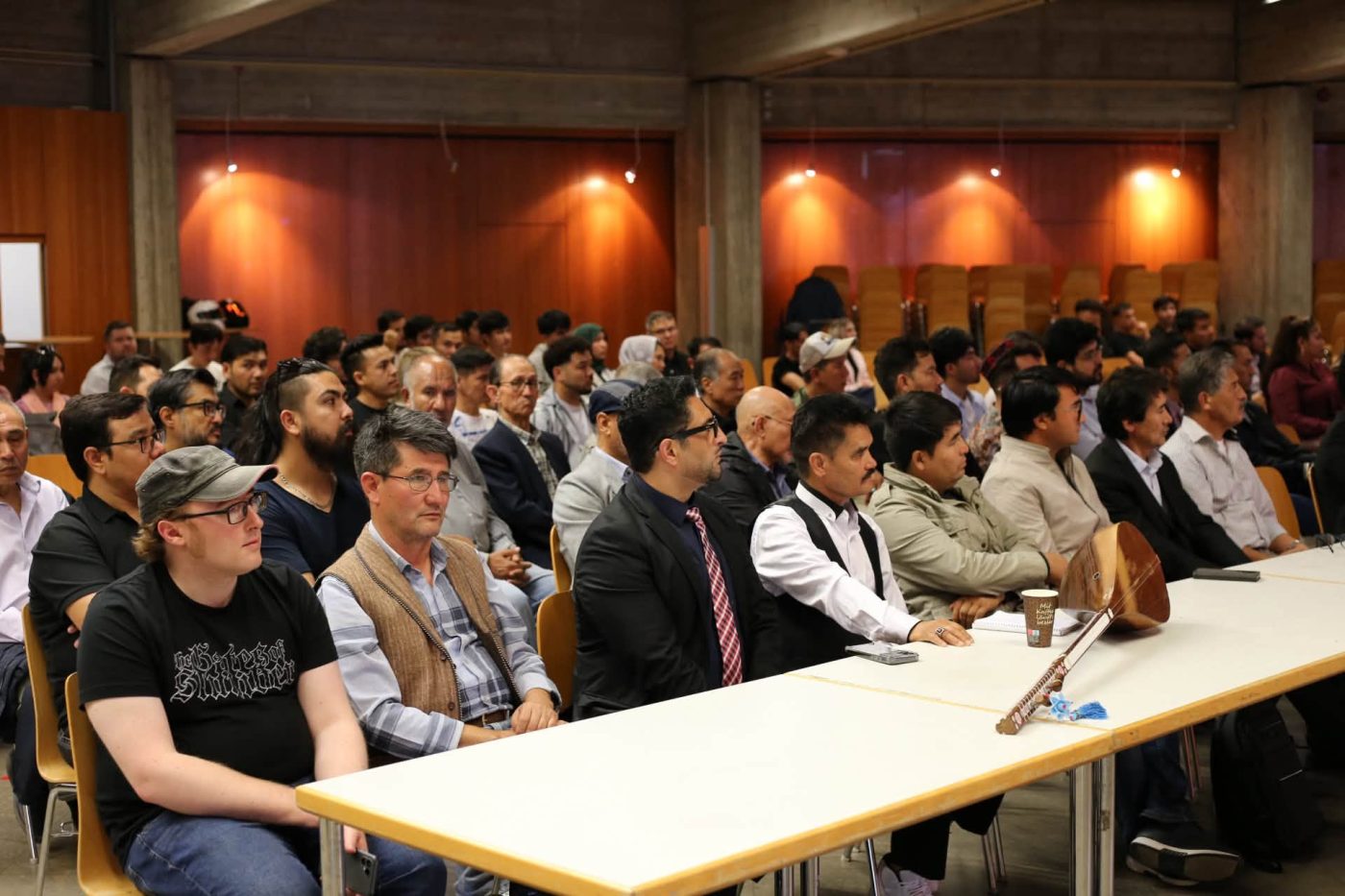
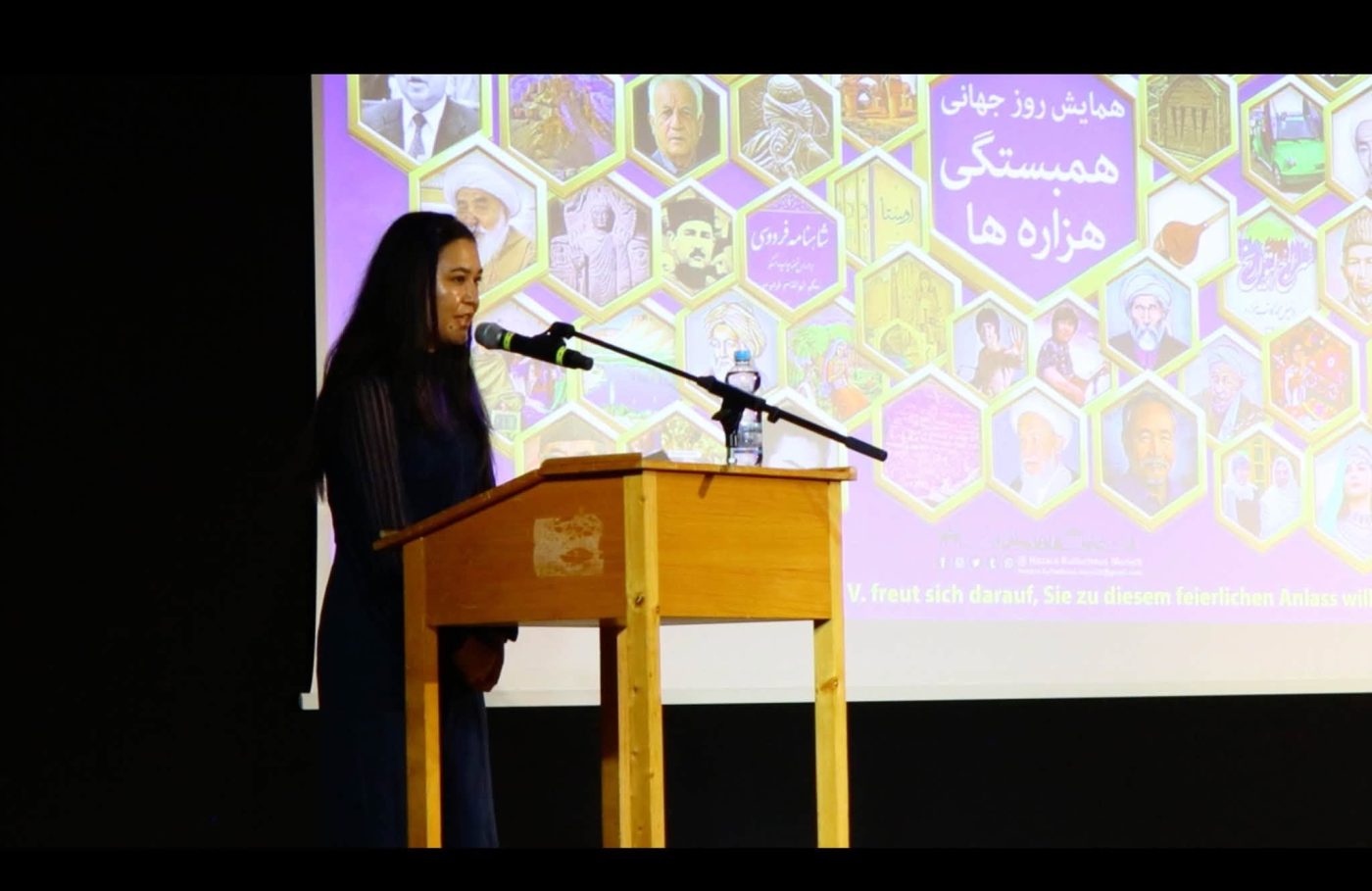
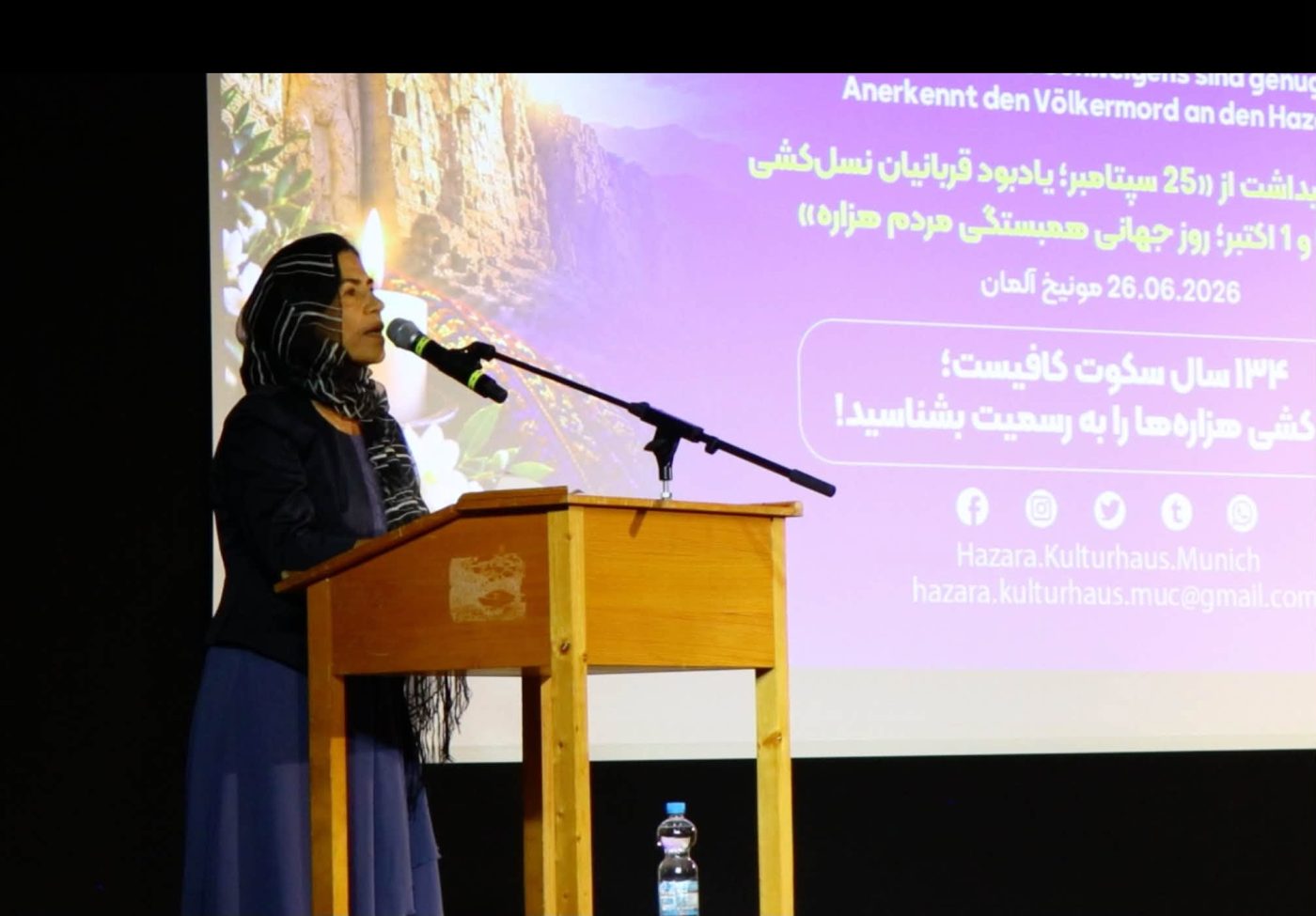
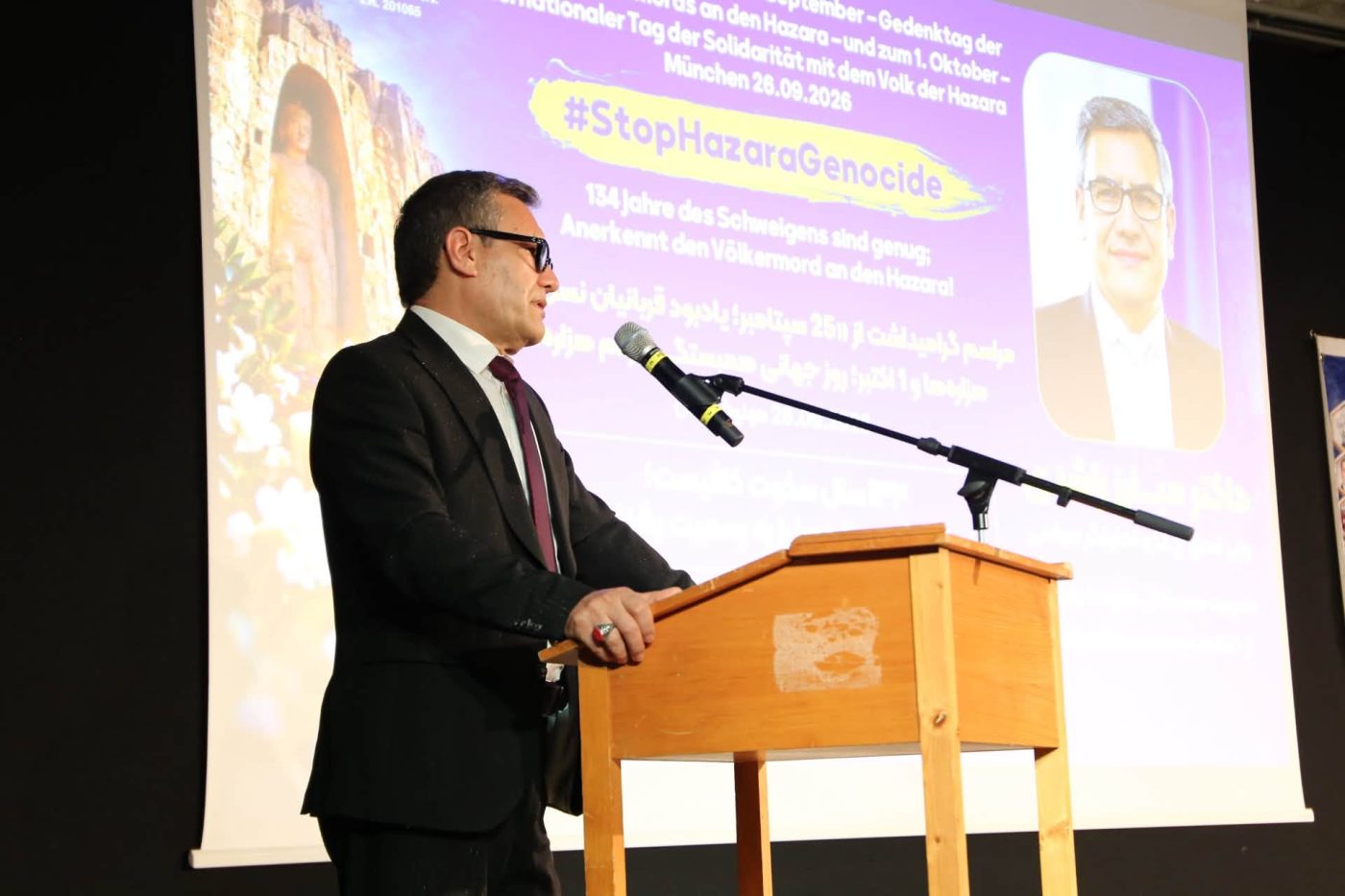
The commemorative event marking “25 September: Hazara Genocide Victims’ Memorial Day and 1 October: World Hazara Solidarity Day” was held on Saturday, 26 September 2026, in Munich, Germany.
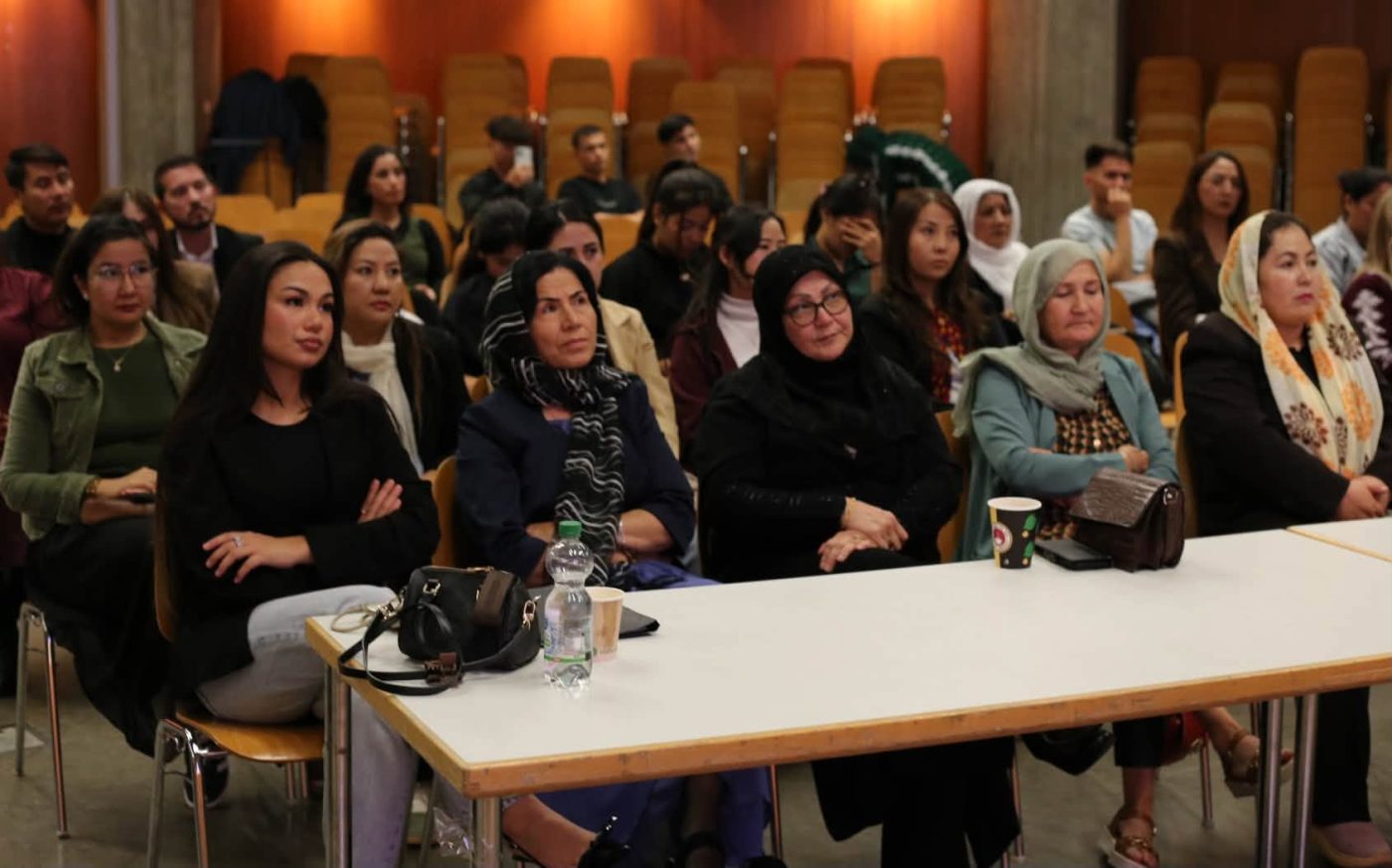
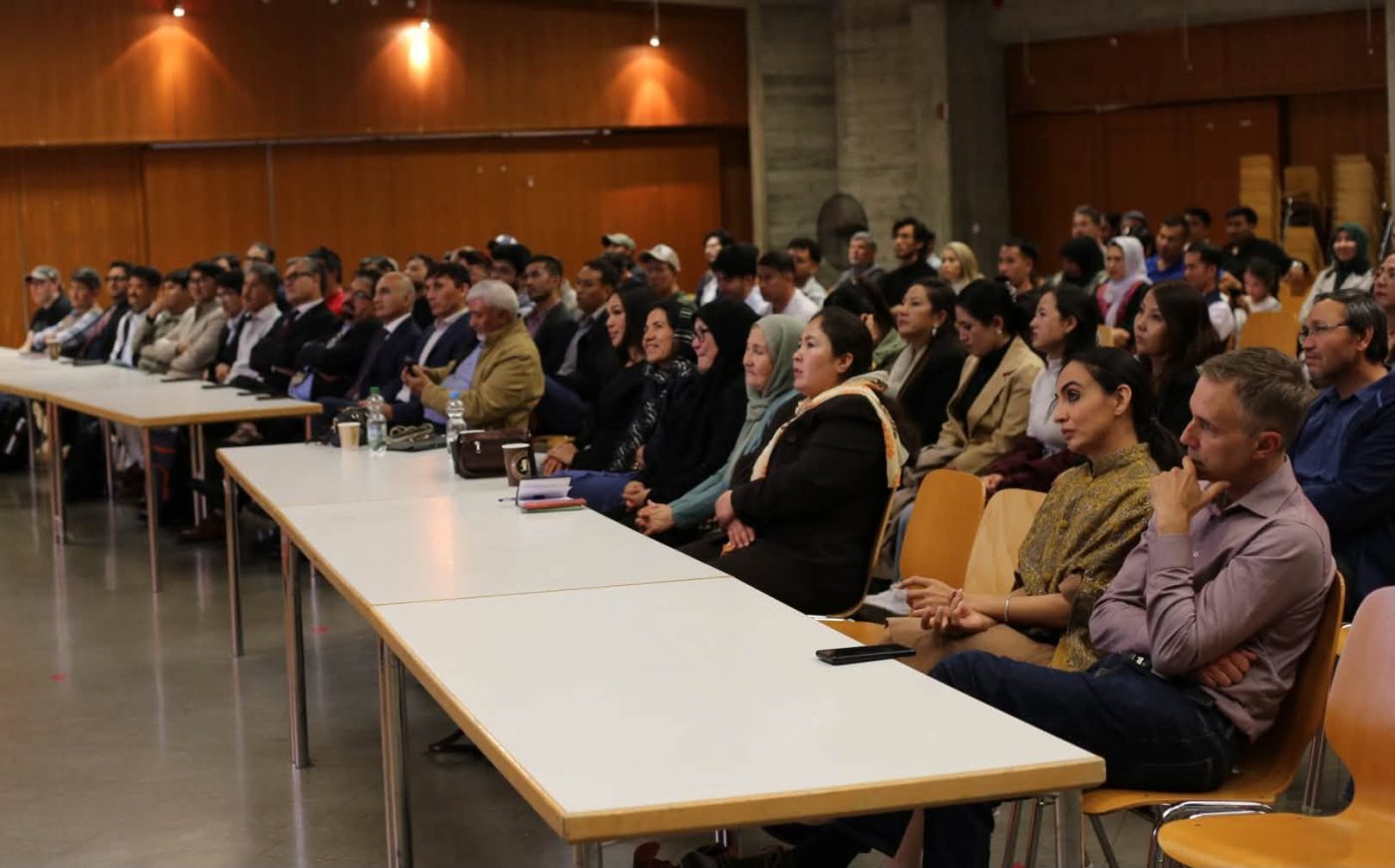
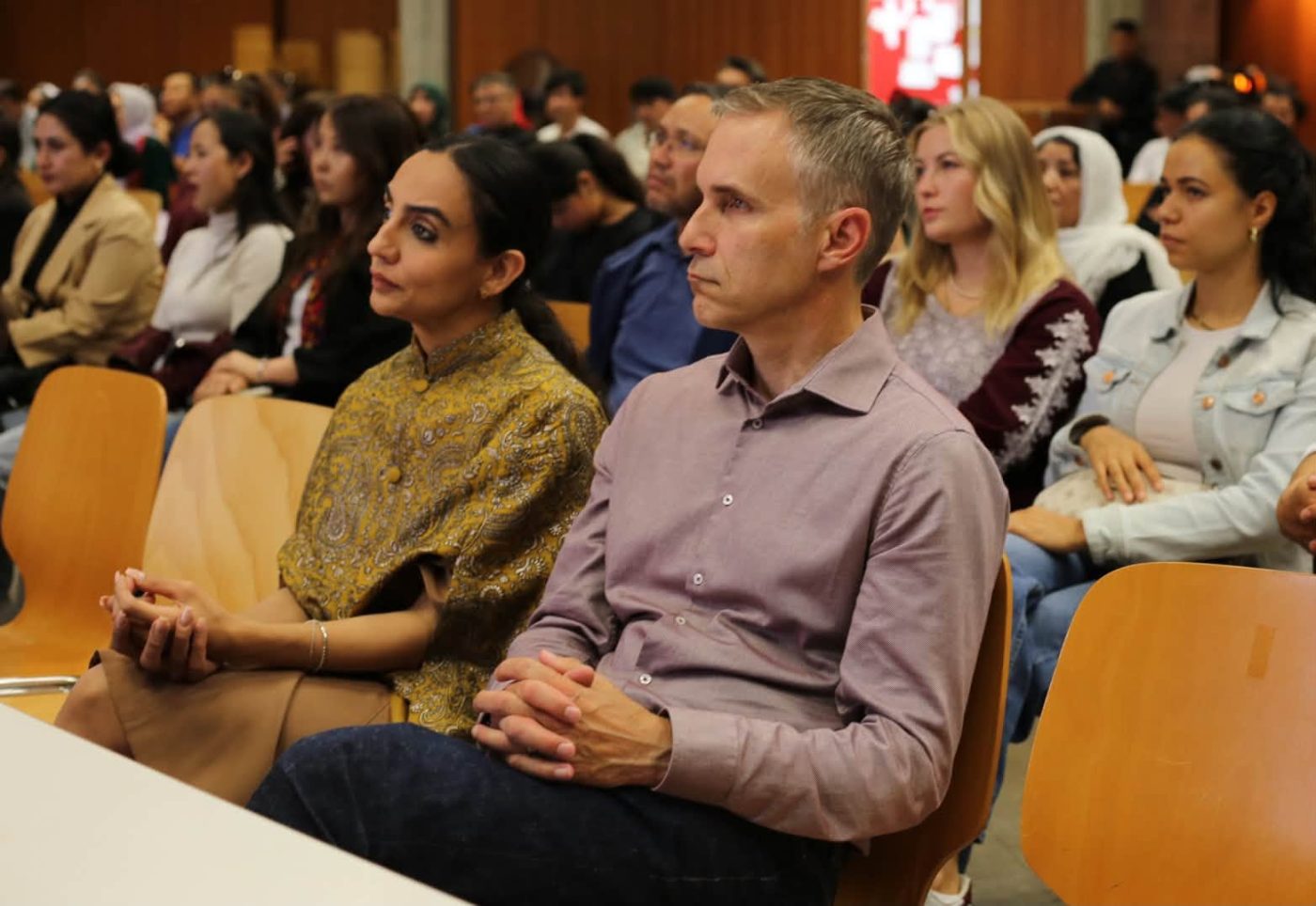
The event was organized by the Hazara Kulturhaus MUC e.V. (Munich Hazara Cultural Centre) and attended by a number of cultural and academic figures, civil society activists, representatives of German government institutions, representatives of diaspora community associations, and dozens of Afghan citizens residing in Germany.
The stated purpose of the event was to commemorate the victims of historical violence and genocide against the Hazara people over the past 134 years, from the era of Amir Abdur Rahman Khan to the present; to strengthen solidarity within the community; to draw attention to the need for advocacy and justice; and to emphasize solidarity among the various groups within Afghan society.
The key slogan of the event was:
“After 134 years of silence, enough is enough; recognize the genocide of the Hazara people.”
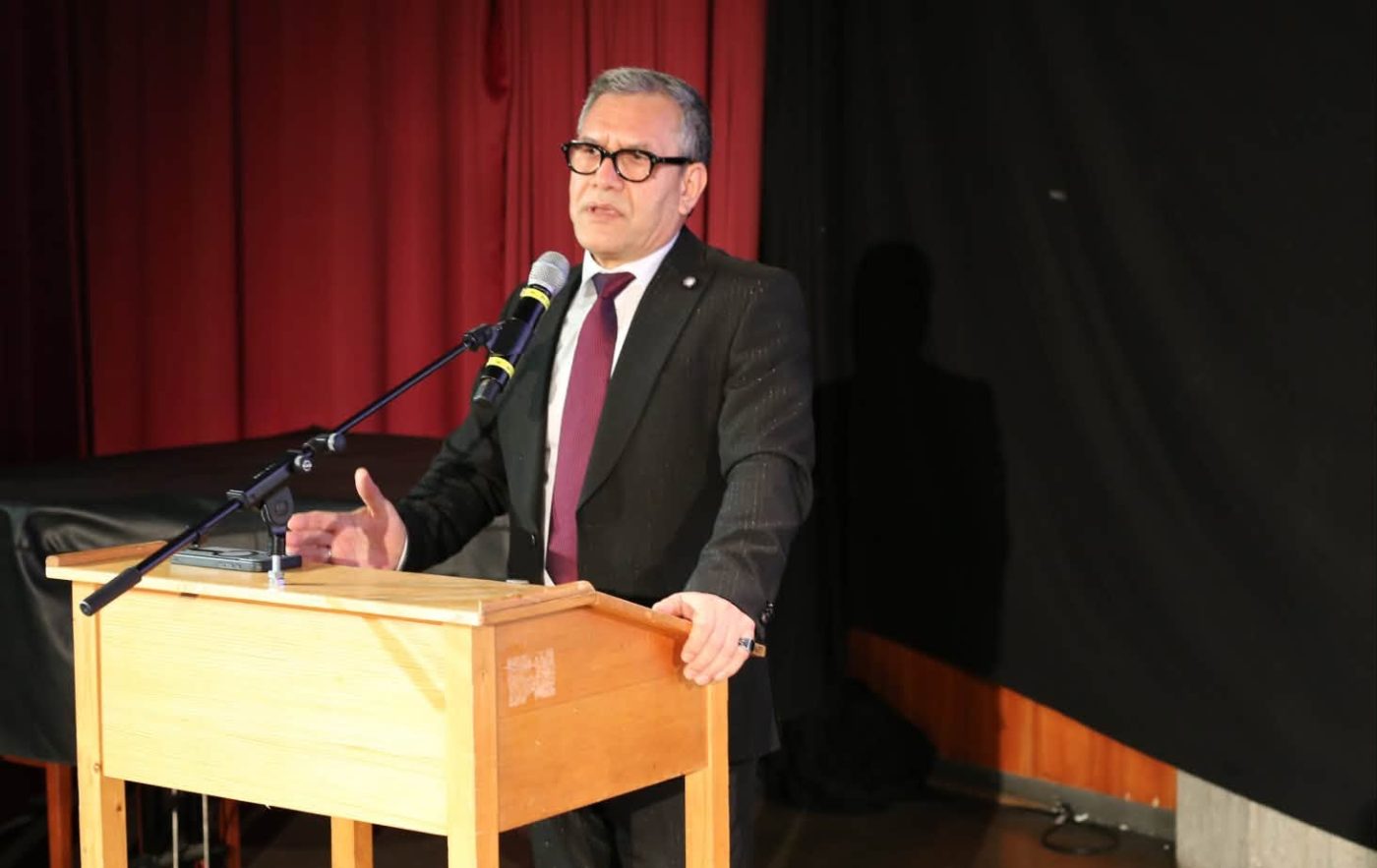
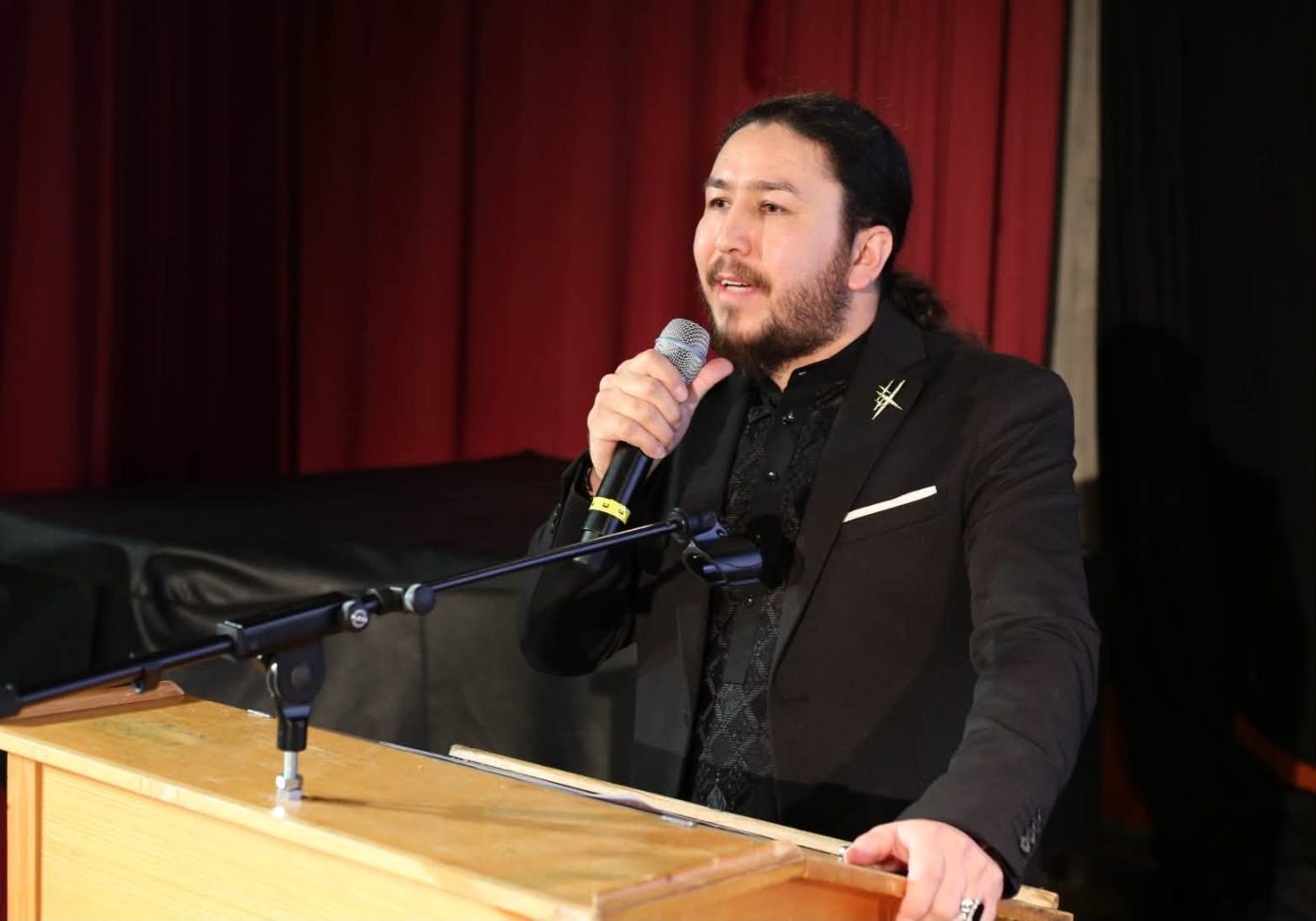
During the speeches, Dr. Mubariz Rashidi emphasized the importance of solidarity, social cohesion, and the need to move responsibly beyond the past. He noted that commemorating the victims should not merely mean remembering the past, but should also provide an opportunity to strengthen solidarity, dialogue, and sustainable justice. Rashidi also emphasized the need to acknowledge historical responsibility and to pay attention to the rights of all ethnic and social groups, stating that achieving lasting solidarity requires an honest engagement with the suffering and injustices of the past.
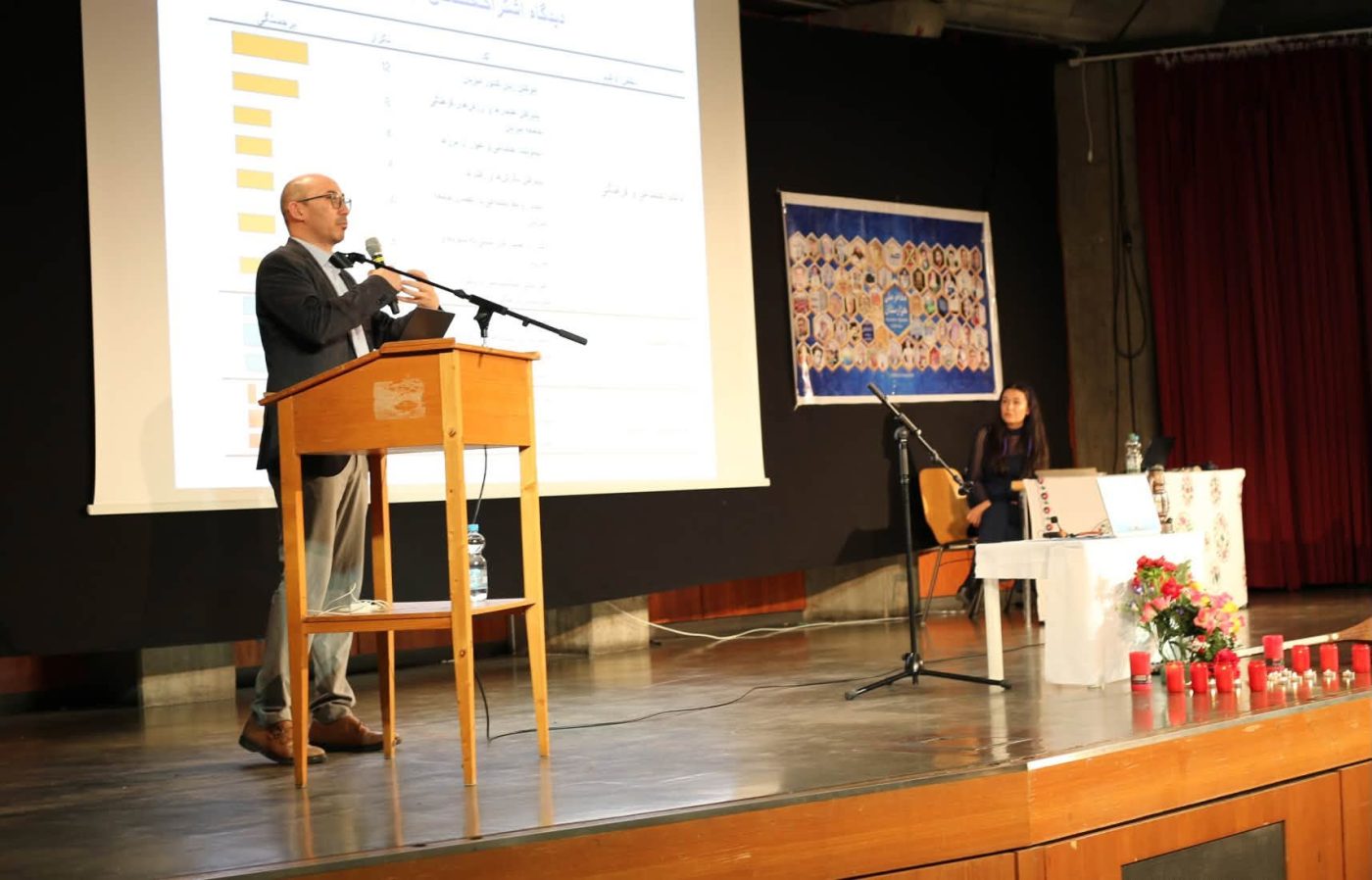
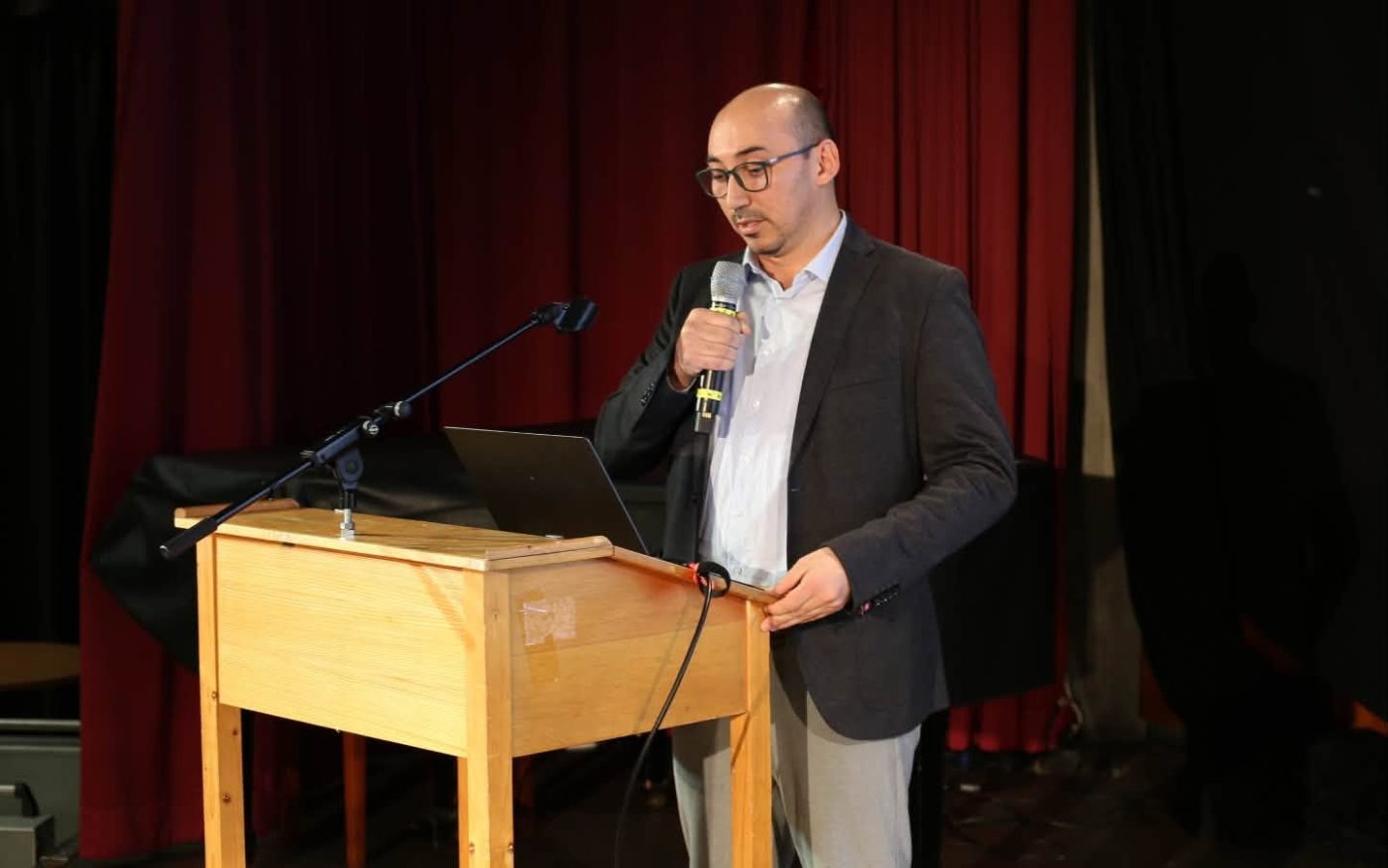
The academic section of the program focused on presenting research on the identity, sense of belonging, and social, economic, and political integration of the Hazara diaspora in Germany. Dr. Mostafa Naseri, together with his colleagues at the Gita Research and Action Institute, presented part of the findings of this research.
The study indicates that the identity of Hazara migrants in Germany is neither one-dimensional nor static, but is influenced by factors including ethnic, religious, and cultural belonging, migration experiences, education, and social circumstances. According to the findings presented, many Hazara migrants, while maintaining their mother tongue, customs, family values, and cultural traditions, also attach importance to learning the German language, respecting the law, participating in society, and adapting to the host society.
The research identified language barriers, difficulties entering the labor market, administrative complexities, and the lack of recognition of certain foreign qualifications and skills as challenges to integration. It also emphasized that integration should be a two-way process and that preserving cultural identity is not necessarily in conflict with active participation in German society.
Another part of the program was the screening of the documentary film “Recess”, directed by Sami Ataei. The documentary focuses on the suicide bombing of 15 August 2018 at the Mawoud Educational Centre in western Kabul, in the Dasht-e Barchi area. Through the accounts of witnesses, survivors, and victims’ families, the film portrays the experiences of students who were targeted while preparing for the university entrance examination.
According to the information presented during the event, more than 50 students were killed and 67 were injured in the attack, with most of the victims being young people between the ages of 16 and 20. The screening of the documentary was met with an emotional response and considerable attention from the audience, once again bringing the issues of security, education, and the protection of civilians into focus.
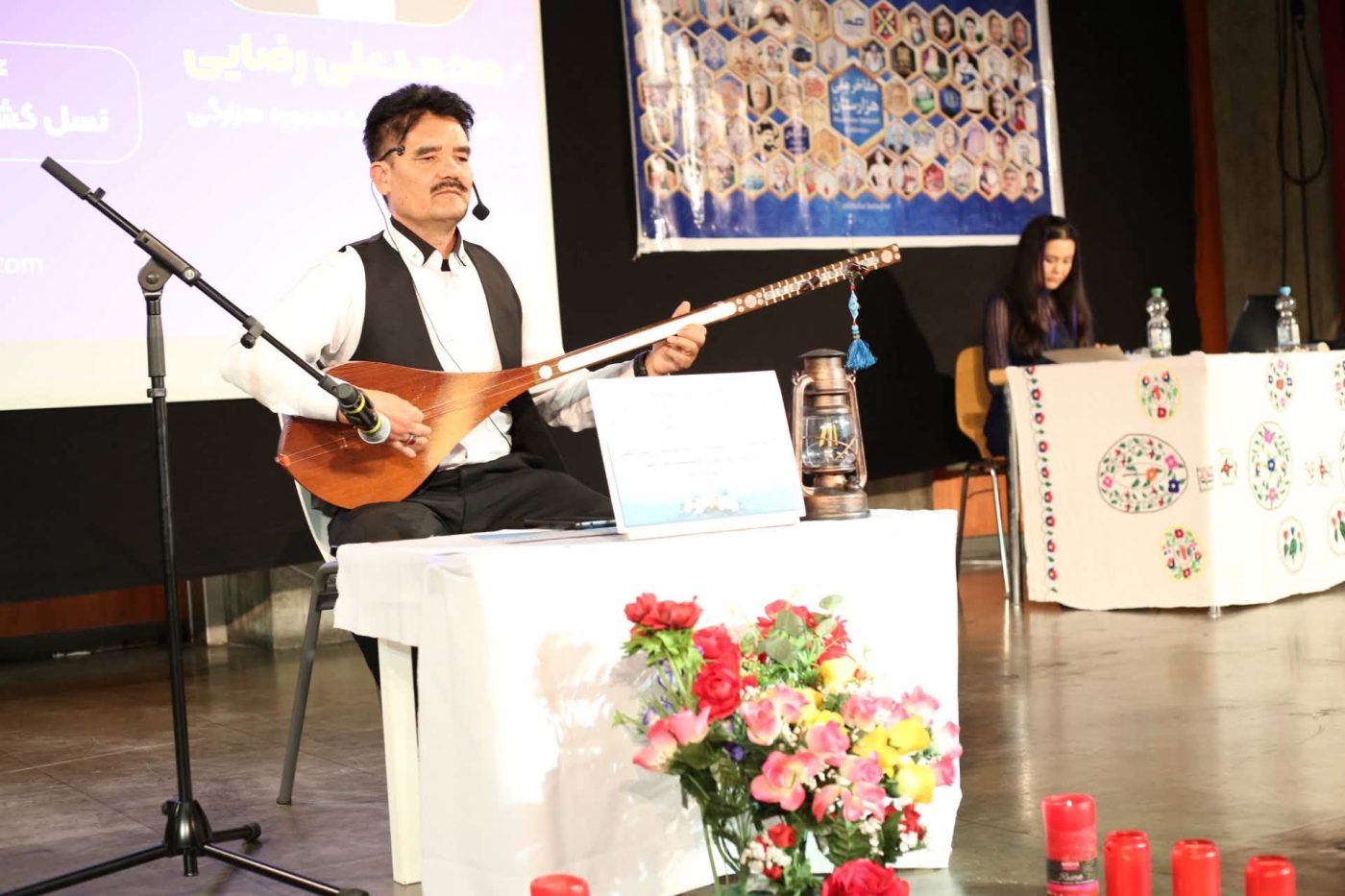
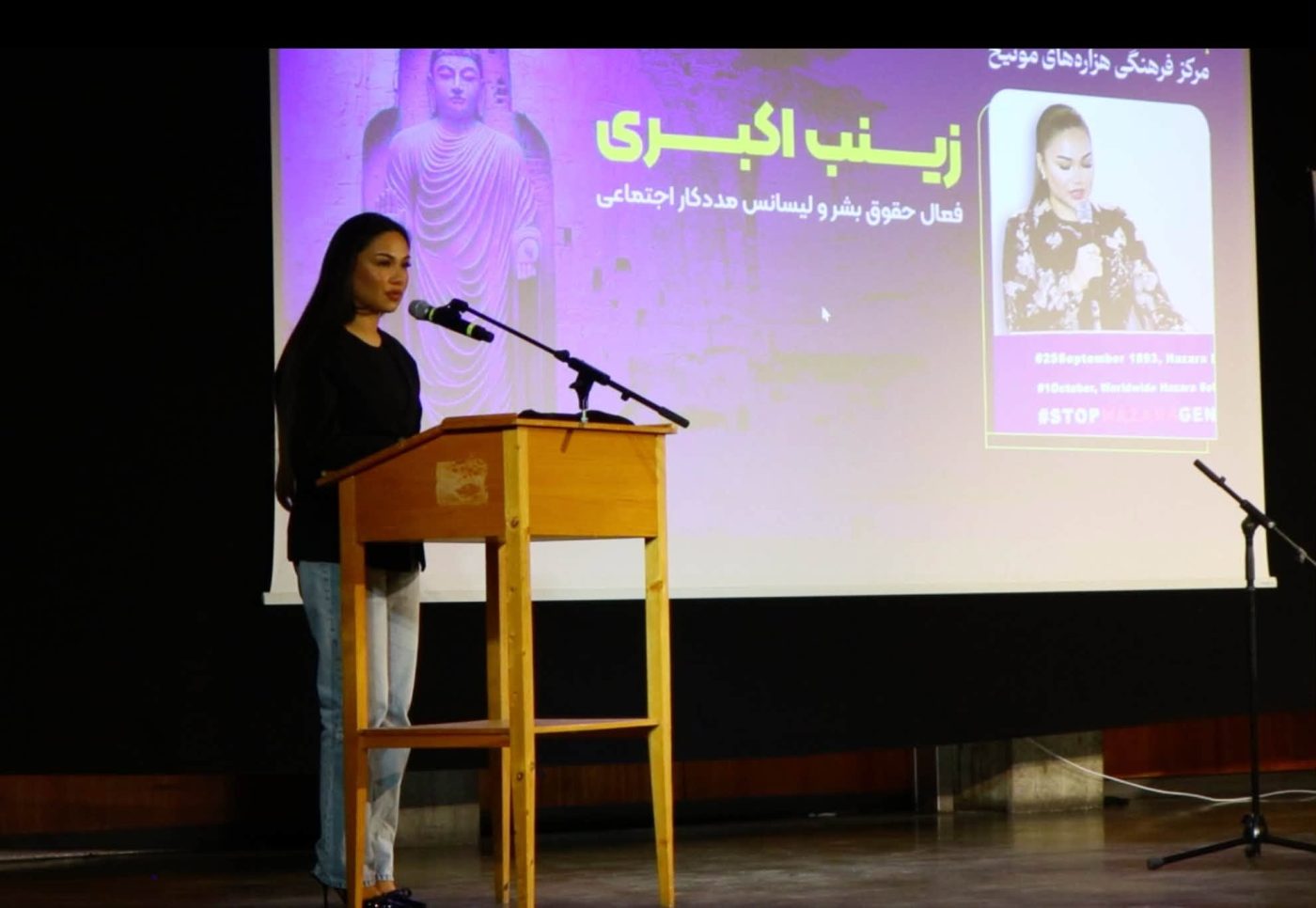
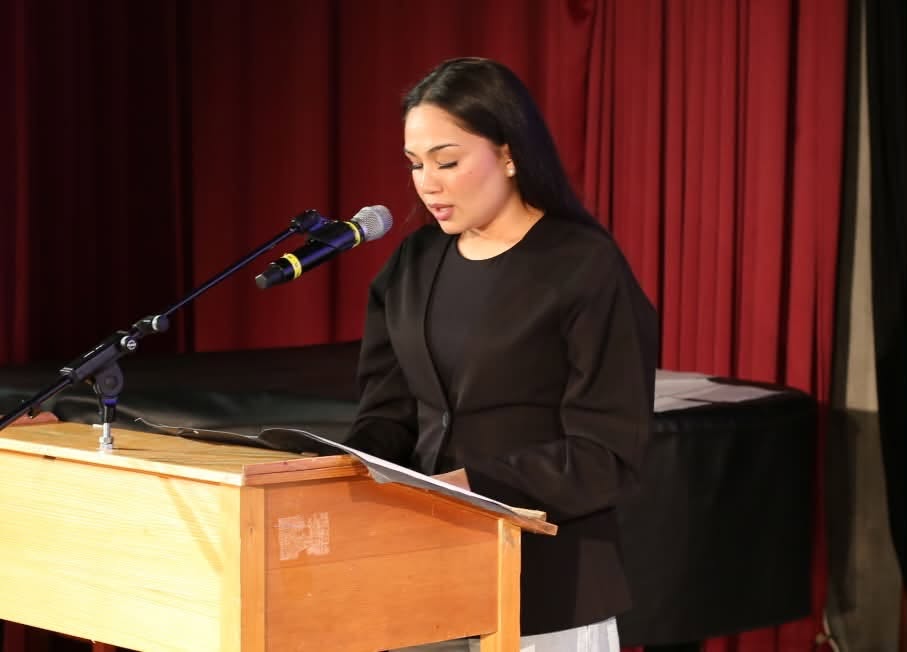
The program also included hosting and a statement delivered by Ms. Soraya Saleh, the reading of a resolution of the Munich Hazara Cultural Centre by Ms. Zainab Akbari, poetry reading by Aziza Shirzad, live performance of Hazara dambura music by the popular artist Mohammad Ali Rezaei, and other cultural programs. These cultural and artistic performances were presented with the aim of connecting historical remembrance with the culture, art, and collective identity of the Hazara people.
In the closing section of the conference, Ghafour Sadaqat, the executive director of the program, stated that the purpose of organizing such events is to remember and commemorate the victims of the genocide of the Hazara people, to advocate for the realization of their rights, and to promote solidarity in support of recognition of the genocide of the Hazara people.
The organizers emphasized that commemorating 25 September and World Hazara Solidarity Day, in addition to honoring the memory of the victims, provides an opportunity for dialogue on justice, solidarity, identity, migration, and social participation—issues that continue to be of fundamental importance to the Hazara community both in Afghanistan and in the diaspora.
Respectfully,
Hazara Kulturhaus MUC e.V.
People’s Conference: “25 September: Memorial Day for the Victims of Genocide and 1 October: World Hazara Solidarity Day”
Saturday, 26 September 2026 — Munich, Germany